
How Do Contact Lenses Work? The Science Behind Perfect Vision (Expert Guide)
Dec 23,2025 | eyemua
The number of contact lens wearers in the U.S. has reached over 45 million people . These tiny medical devices have become essential to many people's daily vision needs.
Clear vision without glasses is now possible thanks to contact lenses . These remarkable devices work by sitting right on your eye's surface. They help refocus light onto your retina and correct vision with precision and flexibility . The story of contact lenses goes back to Leonardo da Vinci's original concept in 1508 . Daily disposable lens usage has grown by a lot from 17.1% in 2000 to 46.7% in 2023 .
The sort of thing i love about contacts is the physics behind their function. This piece will get into different types of contact lenses and give you an explanation about their benefits and care. You'll learn about how these tiny vision-correctors work, whether you want to switch from glasses or just feel curious about the science behind them.
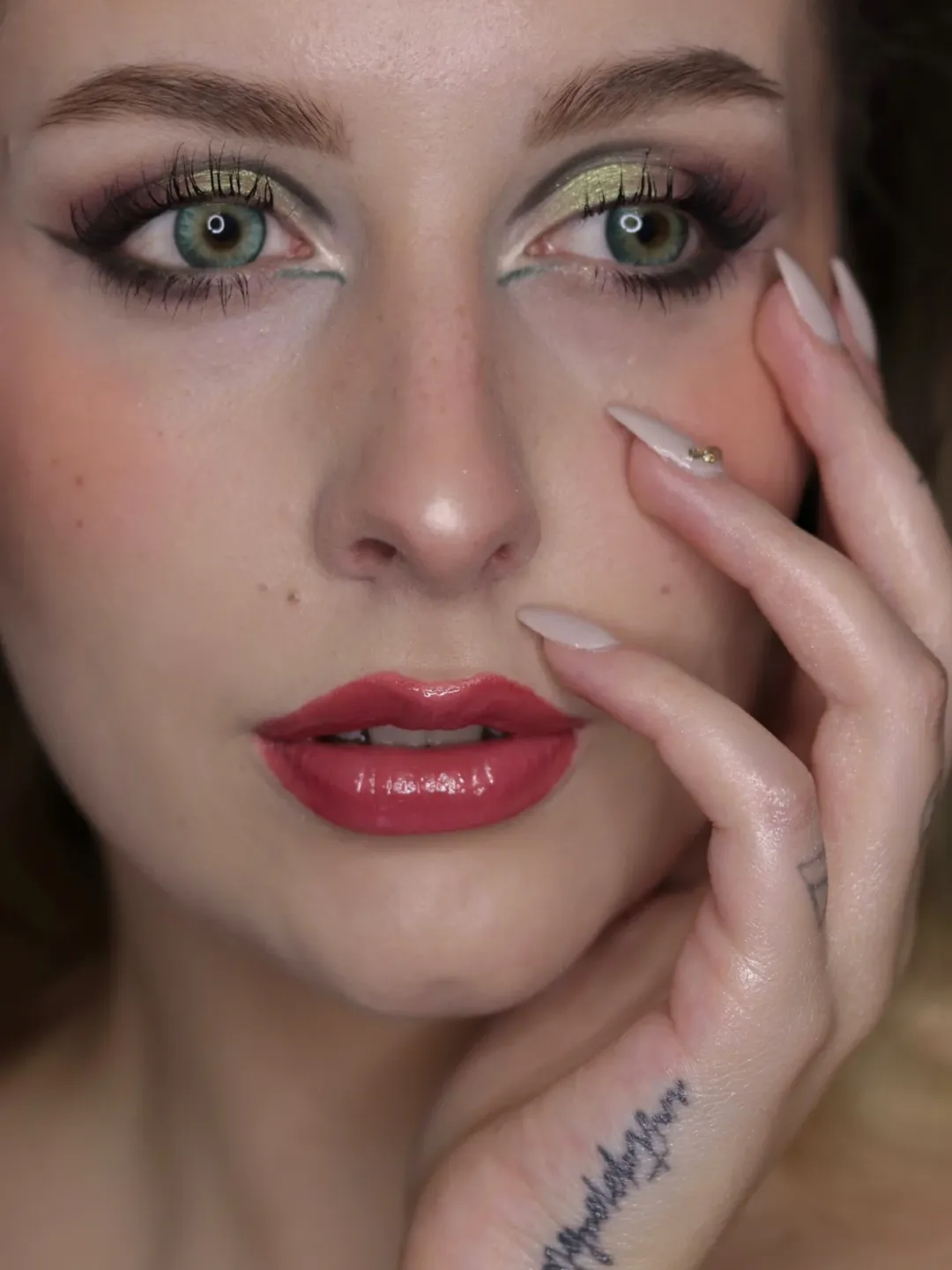
What Are Contact Lenses and How Do They Work?
Contact lenses are small, clear disks that sit right on the tear film covering your eye's cornea. These tiny vision-correcting devices are FDA-regulated medical tools that help you see better by changing how light enters your eye.
How contact lenses correct refractive errors
Your eyes can't focus light properly onto the retina when you have refractive errors, which leads to blurry vision. Light gets captured and redirected by contact lenses to create a single focal point on your retina. These lenses help fix four main vision issues:
- Myopia (nearsightedness): The lenses are thicker at the edges and thinner in the middle so light spreads away from the center
- Hyperopia (farsightedness): The middle part is thicker to bend light toward the center
- Astigmatism: Special toric lenses use different curves to fix irregular cornea shapes
- Presbyopia: The design combines multiple corrective powers in different zones
The difference between glasses and contacts
Glasses sit about half an inch to an inch away from your eyes, but contacts rest directly on your cornea. This placement gives you several benefits.
Your contacts move with your eyes and give you better side vision without distortion. They won't fog up or get wet in bad weather. Athletes and active people love them because they stay in place during physical activity.
But contacts need more careful attention than glasses. You must clean and handle them properly to avoid serious eye infections, which are the biggest risk you face when wearing contacts.
How do contact lenses work physics: light refraction explained
Contact lenses work on a physics principle called paraxial power. The power of a thin lens depends on how different its front and back surface curves are. This relationship uses a constant that equals the difference in refractive index between the lens and surrounding material.
A well-fitted contact lens changes your eye's refracting power by adjusting the air/eye interface curve. The lens floats on your tear film and creates what eye doctors call a "tear lens" between the contact and cornea. This setup guides light through your eye so it focuses exactly on your retina instead of in front or behind it.
Types of Contact Lenses and Their Uses
Contact lens technology has come a long way over the last several years. You now have many options that match different vision needs and lifestyles. The right choice depends on your specific requirements.
Soft vs. rigid gas permeable lenses
These two main types of contact lenses are nowhere near alike in material, comfort, and visual quality. Soft contact lenses (SCLs) use flexible plastics that adapt to your eye's shape. They feel comfortable right away and stay in place better. Most people get used to them within a few days. All the same, they don't let as much oxygen reach the cornea and might tear easily.
Rigid gas permeable (RGP) lenses offer better benefits through their firm, oxygen-permeable materials. They provide clearer vision correction and let more oxygen reach the cornea. These lenses work really well, especially when you have astigmatism. Your eyelids might feel them more while blinking at first, but this feeling usually goes away with time.
Daily, extended, and planned replacement lenses
Your wearing schedule and priorities help determine which replacement option works best:
- Daily wear lenses need nightly removal and should never be worn during sleep
- Extended wear lenses work for continuous use—even overnight—up to 30 days, but you should remove them at least one night weekly
- Daily disposables last just one day before disposal, so no cleaning needed
- Planned replacement lenses follow set schedules—biweekly or monthly—and need proper cleaning between uses
Specialty lenses: toric, multifocal, scleral, and more
Specialty lenses tackle specific vision problems. Toric lenses fix astigmatism by using two powers. If you have both nearsightedness and age-related farsightedness, multifocal lenses help you see clearly at different distances.
On top of that, hybrid lenses blend a rigid center with a soft outer ring. This gives you RGP clarity with soft lens comfort. People with dry eyes or irregular corneas can benefit from scleral lenses. These larger lenses sit on the eye's white part and create a fluid reservoir that protects the cornea while keeping vision clear.
Benefits and Risks of Wearing Contact Lenses
You should weigh the pros and cons of contact lenses to make an informed decision about your vision correction needs. Let's look at both sides.
Advantages over glasses
Contact lenses give you many benefits that make them popular with millions of wearers. These lenses provide about 15% wider peripheral vision than glasses. They move with your eyes and eliminate potential blind spots and distortion. Athletes and active people love them because they won't slip during exercise or fog up when it's humid.
Your face looks natural without frames getting in the way. You can wear non-prescription sunglasses and keep your personal style intact.
Common complications and how to avoid them
Contact lenses have their risks despite the advantages. Microbial keratitis, a serious eye infection, can develop if you don't wear lenses properly. You might also face problems like dry eyes, allergies, corneal abrasions, and neovascularization (new blood vessels growing onto the cornea).
To prevent these issues:
- Never sleep in contacts unless they're designed for overnight wear
- Wash hands really well before handling lenses
- Replace solution daily—never "top off" existing solution
- Follow recommended replacement schedules
- Keep lenses away from water, including swimming pools and showers
Who should avoid contact lenses?
Contact lenses aren't right for everyone. People with severe dry eye syndrome might feel too much irritation. You should be careful if you get frequent eye infections or severe allergic reactions. People who work around dust or particles (like in woodworking) might find glasses more practical. The lenses also aren't great if you can't stick to proper hygiene routines.
How to Use and Care for Contact Lenses
Taking good care of your contact lenses is vital to protect your eye health and avoid infections. These guidelines will help you wear your lenses safely and comfortably.
Steps to insert and remove contact lenses
To insert contacts:
- Start by washing your hands with mild soap and dry them with a lint-free towel.
- Your index finger should hold the lens in a perfect bowl shape (not flared like a saucer).
- Keep your upper eyelid against the brow and hold the lower eyelid against the bone.
- Your eyes should look up as you place the lens gently, then release your eyelids slowly.
To remove contacts:
- Make sure your hands are clean and completely dry.
- Look upward and pull your lower eyelid down.
- The lower edge of the lens needs a gentle touch as you slide it to the white part of your eye.
- Remove the lens by squeezing it softly between your thumb and index finger.
Cleaning and storage best practices
- Your lens solution needs daily replacement—never add new solution to old.
- Clean your lens case after each use and get a new one every 3-6 months.
- The solution bottle's tip should never touch any surface.
- Contact lens solution is the only safe option—avoid tap water, saliva, or homemade saline.
Tips for beginners and long-term users
- Make it a habit to insert the same lens first every time.
- Your lenses should come out right away if you notice redness, pain, itchiness or vision changes.
- Contact lenses and water don't mix—avoid swimming, showering, or using hot tubs while wearing them.
- Sleep with your lenses only if they're specifically prescribed for overnight wear.
Conclusion
Contact lenses are a breakthrough in vision correction technology. These tiny medical devices have revolutionized millions of lives by providing clear vision without the limitations of regular eyeglasses. This piece explores the physics behind contacts, gets into various types available, and shows their proper use and care.
The way contacts work reveals their clever design. They float on your tear film and redirect light to your retina perfectly - a brilliant combination of medical science and physics. Over the last several years, we've seen amazing progress from Leonardo da Vinci's original concept to today's specialized options.
Your lifestyle and vision needs will determine whether soft lenses, rigid gas permeable lenses, or specialty options work best for you. Daily disposables are convenient, while extended wear gives flexibility to people with busy schedules. Specialty lenses like toric or multifocal designs help with specific vision problems that standard options don't deal very well with.
Contact lenses have many benefits, but they need dedicated care. Regular cleaning, proper storage, and following replacement schedules are vital habits to protect your eye health. Improper use can lead to serious risks, but you can prevent most complications with good hygiene practices.
Contact lens technology keeps improving with better comfort, sharper vision, and specialized solutions for unique eye conditions. You should talk to an eye care professional to find the best option for your needs. With the right choice and proper care, contacts can give you comfortable, clear vision for years.
Комментарий
.jpg?w=1024&h=683)
(1).jpg?w=1118&h=686)
.png?w=1019&h=765)